

Mustafa Şimşek
Founder & Managing Director, eMOBINO
Mustafa Şimşek has worked in electrified mobility, battery systems, and energy storage since 2009, from early-stage technology programs to industrial-scale product delivery.
- Project evaluator for TÜBİTAK TEYDEB, Türkiye’s industrial R&D funding programme
- Registered independent expert with the European Commission
Built Across the Full Arc of Electrification
His background spans battery packs, battery management systems (BMS), xEV platforms, high-voltage architecture, propulsion integration, and energy storage systems, with execution experience across Türkiye, Europe, and Southeast Asia.
Along the way, he has worked where engineering decisions move beyond theory and become real products, real validation, real compliance, and real manufacturing outcomes.
Mustafa Şimşek started working in electrification in 2009, when the field itself was still uncertain. Since then, he has worked across its full evolution, from early-stage concepts and demonstrators to industrialized platforms and large-scale deployment.
His career developed across three very different engineering realities. In Türkiye, he worked close to the formation of the early electric vehicle (EV) ecosystem, where technical progress depended on localization, practical engineering judgment, and strong ownership. In Europe, he worked inside cross-border R&D and compliance-driven programs shaped by consortium execution, process discipline, and system-level rigor. In Asia, he led battery R&D at industrial scale, where speed, manufacturing readiness, and organizational complexity had to work together without losing technical control.
Most engineering careers are shaped within one system: research, OEM development, or manufacturing. His experience was built across all three. That changes how he approaches engineering problems, not only for technical correctness, but for feasibility, compliance, industrialization, and real-world deployment.
His work has consistently been at the boundary between engineering and industrialization, translating concepts into systems that operate reliably under real conditions.
Türkiye
Early EV ecosystem development at OEM level, ADAS and connected vehicle programs, localization strategy, strong technical ownership, and full-system engineering under real constraints.
Europe
Cross-border R&D, consortium execution, advanced validation, and compliance-oriented engineering shaped by process rigor.
Asia
Battery R&D leadership at industrial scale at a Southeast Asian OEM, deep work across the Asian battery ecosystem, especially China and Southeast Asia, multi-site execution, pilot manufacturing, and product delivery through SOP.
Programs That Defined Capability
Battery R&D Leadership at Industrial Scale
Led a multi-site Battery R&D Institute covering automotive battery packs, BMS platforms, ESS products, pilot manufacturing, validation infrastructure, and early-stage in-house cell development. Delivered multi-platform products to SOP across passenger EVs, electric motorcycles, commercial mobility, and utility-scale storage, with full ownership across architecture, performance validation, compliance, industrialization, and organizational execution.
OEM BEV Platform Development in Türkiye
Contributed to and led key parts of Türkiye’s early OEM electrification journey across vehicle integration, high-voltage systems, control architecture, and localization of critical EV components. This included battery systems, BMS, inverter, e-motor, eVCU-linked functions, and related subsystem development that helped shape one of the country’s earliest real BEV ecosystems.
Advanced Electrification Programs in Europe
Led and coordinated multi-partner electrification programs across OEMs, Tier-1s, and research institutions within EU frameworks such as Horizon 2020, FP7, and ITEA. These programs focused on pre-industrial system integration and advanced technology validation in areas including wireless charging, distributed propulsion, high-fidelity EV modeling, multicore ECU environments, and next-generation platform architectures.
Early Hydrogen and Hybrid Programs
Worked on hydrogen fuel cell and hybrid vehicle systems during the early phase of electrification, covering modeling, feasibility, system analysis, and validation-oriented engineering. This period built the foundation for a system-level view that later extended into battery platforms, propulsion integration, and energy management.
Full-Stack Technical Scope Through eMOBINO
Through eMOBINO, he supports organizations that need more than presentation-level guidance. His role is typically where architecture, validation, industrialization, supplier capability, and strategic technical decisions intersect.
Battery Systems
Battery architectures such as Cell-to-Module (CTM), Cell-to-Pack (CTP) and Cell-to-Chassis/Body (CTC/CTB), module and pack integration, BMS, safety logic, validation, compliance, and industrialization.
xEV Platforms and High-Voltage Architecture
Vehicle-level system design, high-voltage distribution, propulsion integration, control architecture, and charging-related functions.
Energy Storage Systems
Residential, C&I, and utility-scale systems, pack-to-system integration, product definition, validation, and execution support.
System Integration and Validation
Cross-functional hardware and software integration, validation logic, test strategy, and failure analysis with an execution-first perspective.
Technical Review and Due Diligence
Independent assessment of products, technical roadmaps, architectures, supplier capability, engineering maturity, and execution risk.
Advisory and Strategy
Technology roadmap, localization planning, product strategy, engineering governance, and decision support for complex mobility and energy programs.
Where the Real Problems Usually Start
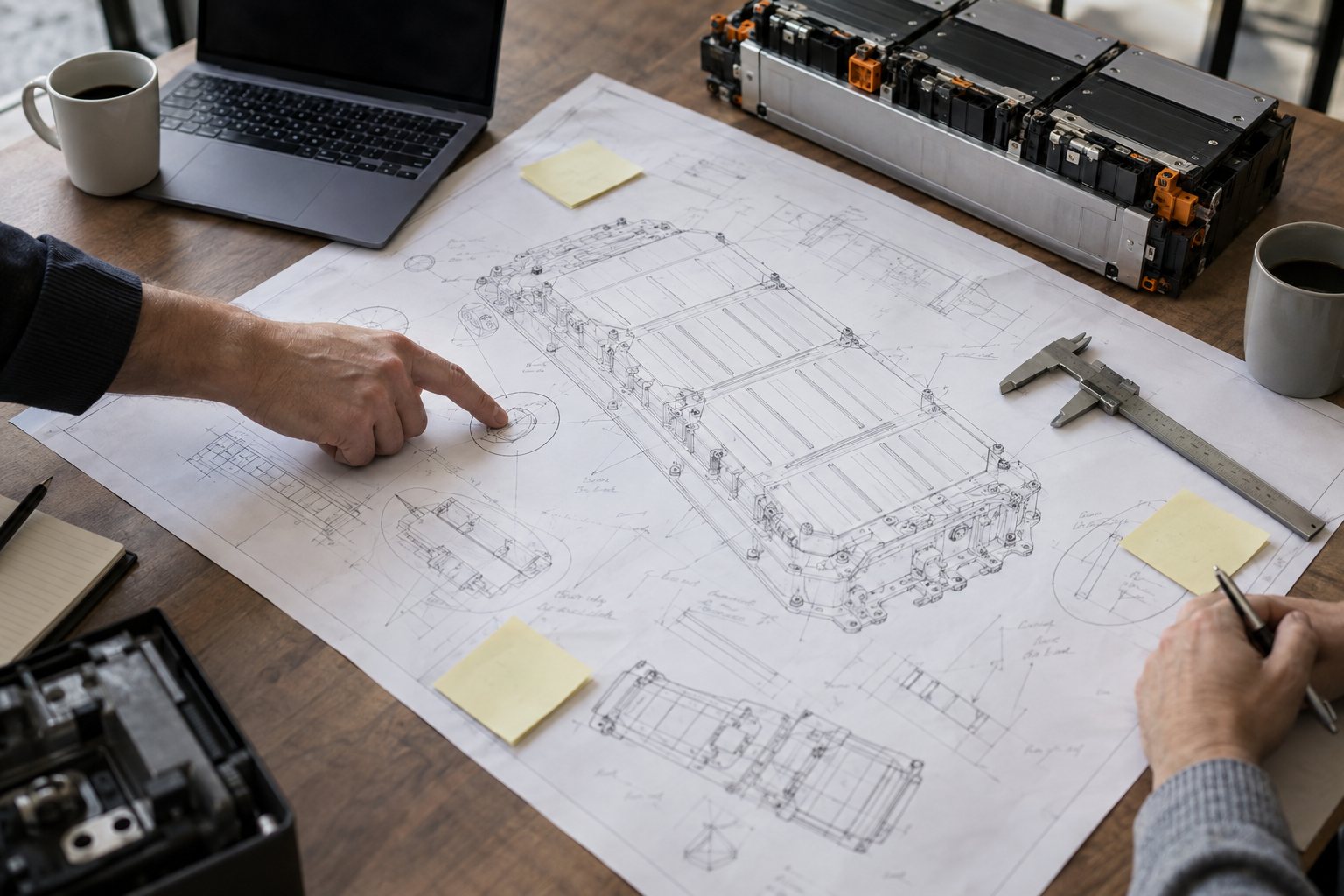
In battery and electrification programs, the most critical issues rarely appear at the point where they are finally recognized. They usually start much earlier: in architecture decisions, unclear requirements, missing validation logic, supplier limitations, safety blind spots, or unrealistic timelines.
A meaningful part of his work has been to identify these issues early, ask the right questions before teams become overcommitted to weak assumptions, and help shape decisions that hold up under technical, commercial, and industrial pressure.
He focuses on how systems behave under real constraints, not only how they perform in theory. That mindset is often the difference between an impressive concept and a product that can actually survive validation, certification, launch, and field reality.
A portfolio built one program at a time.
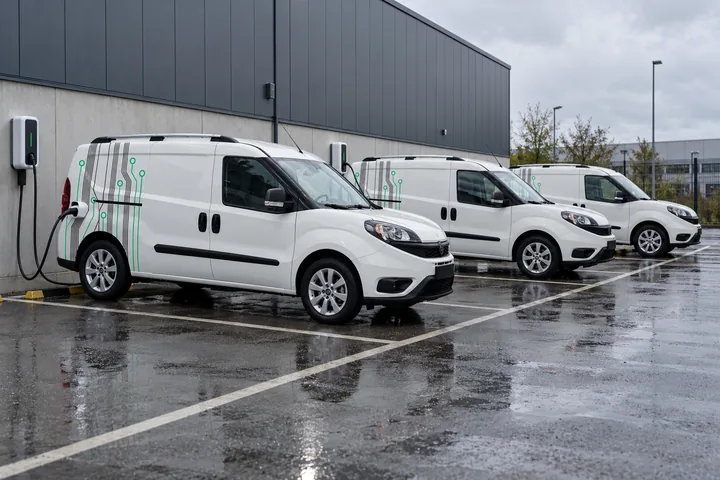
TRaCE Electric LCV Fleet
Türkiye’s first OEM-homologated light commercial BEV, developed as a fleet from concept to type approval.
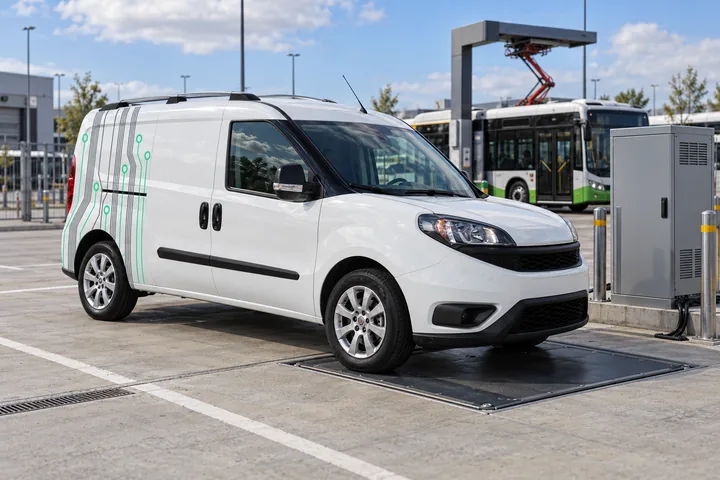
ASSURED: 100 kW wireless fast charging for an electric van
EU Horizon 2020 project on fast and smart charging for urban electric buses, trucks and vans. The work covered Europe’s first 100 kW wireless charging demonstrator, fast-charging an electric light commercial vehicle without cables.
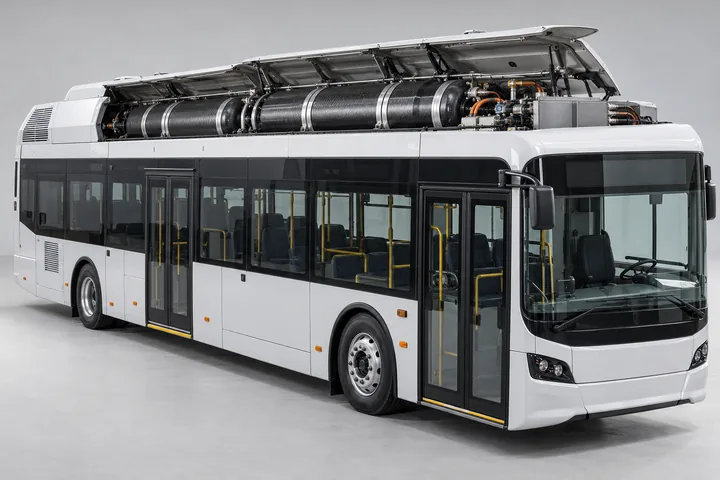
Hydrogen Hybrid City Bus
Series-hybrid city bus with a hydrogen-fueled combustion engine, from powertrain modeling to testing and integration.
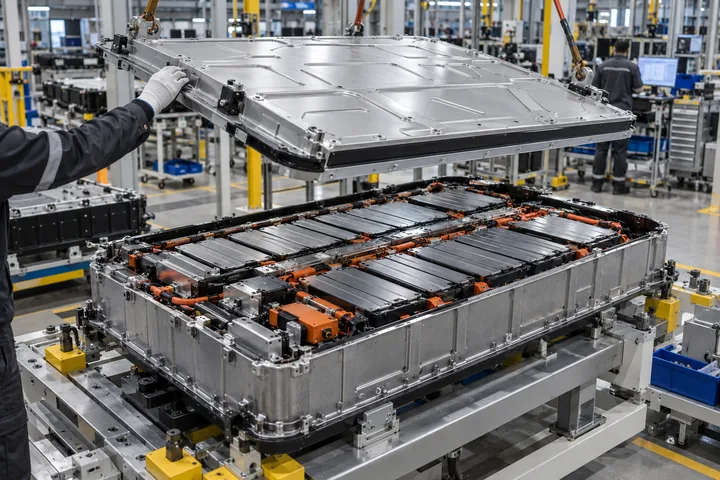
EV Battery Pack Development
In-house battery packs for electric SUVs taken to series production, battery integration across city cars, SUVs, minivans, electric buses and electric motorcycles, and around 30 concept pack designs.
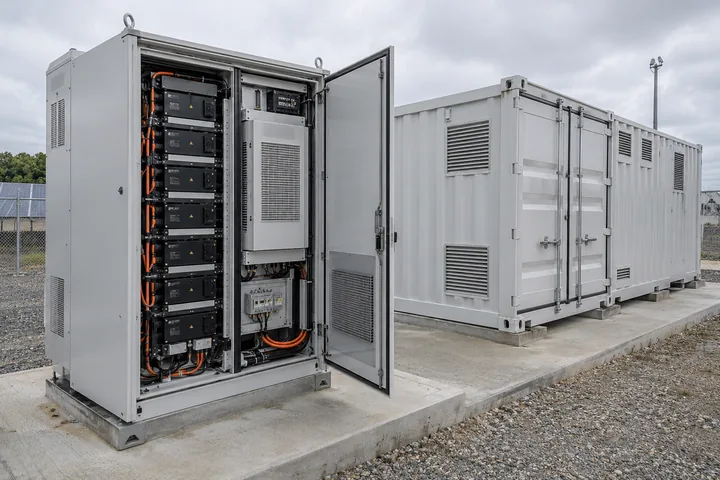
Stationary Energy Storage Systems
Energy storage developed from 5-20 kWh residential systems to indoor and outdoor C&I cabinets, a liquid-cooled cabinet and containers up to 5 MWh.
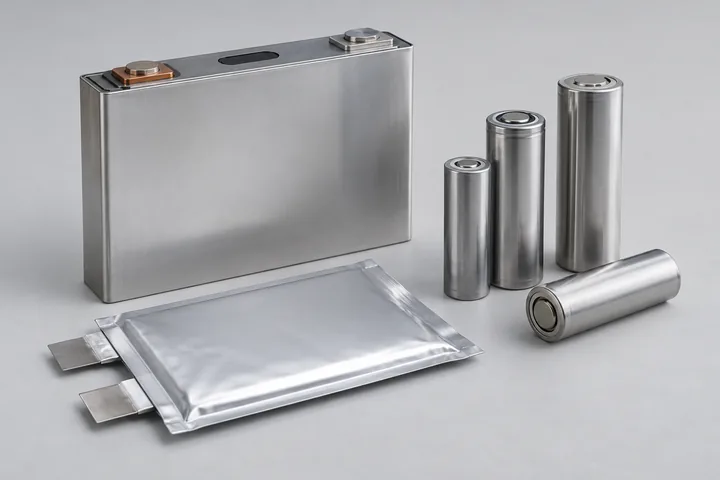
Advanced Battery Cell Development
In-house cell development on a pilot line: prismatic LFP/LMFP, NMC with high-silicon anodes, and sodium-ion.
BatteryPulse™ analyzes the data of electric vehicle and energy storage batteries with AI, and where it matters, takes independent measurements with our own device. Behind it is hands-on field experience in electric vehicles, batteries and energy storage since 2009. Contact us about investment opportunities and for more information.
Engineering That Holds Up in the Real World
From architecture to execution, from concept to industrialization, from technical ambition to systems that work where it actually matters.