
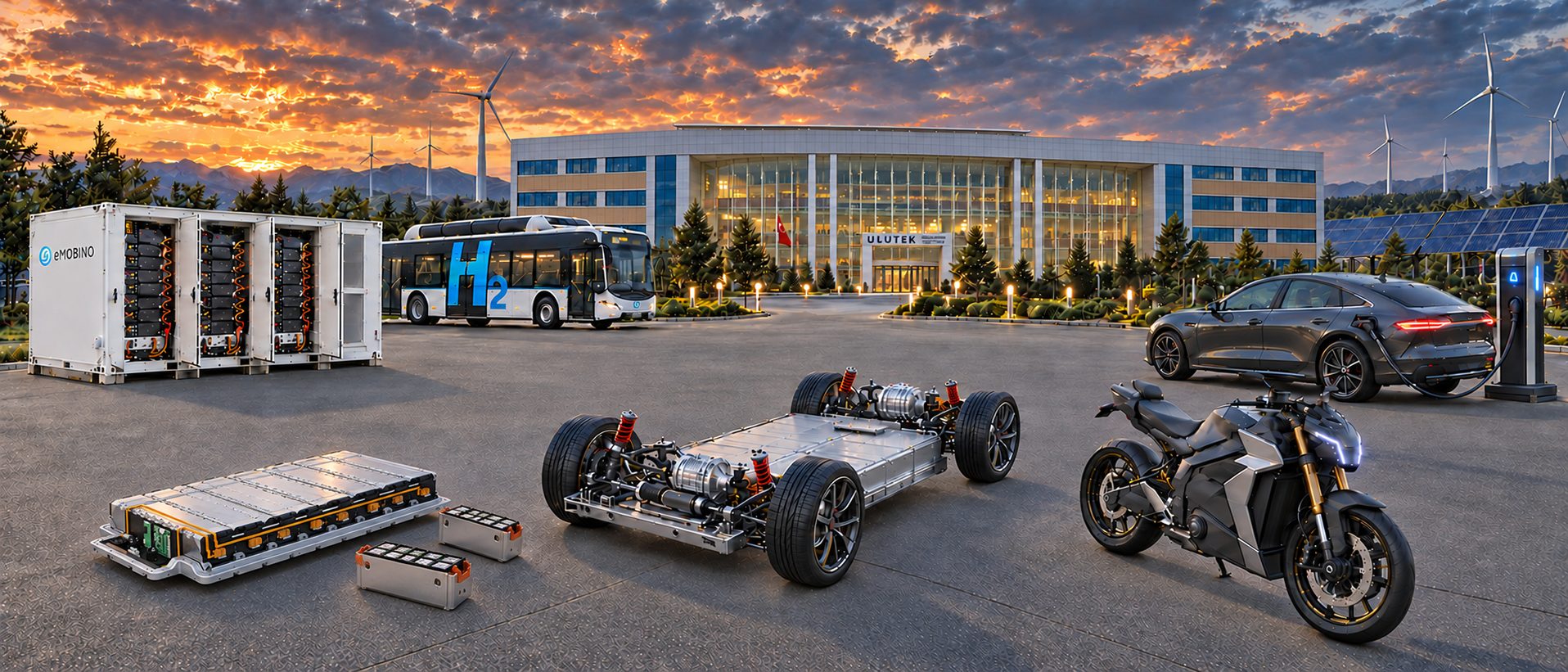
From hydrogen buses to battery cells.
Selected programs from hands-on electrification work across Türkiye, Europe and Southeast Asia since 2009: the experience behind the engineering eMOBINO brings to every project.
Mustafa Şimşek, founder of eMOBINO, has worked on electric vehicles, batteries and hydrogen since 2009. This page lists programs from his career in date order, from a hydrogen city bus and the first battery electric light commercial vehicles to EV battery packs in series production, battery energy storage systems and new battery cells.
Several of them were European research programs: IMPROVE in FP7, AMALTHEA in ITEA 2, and Sys2Wheel and HiFi-ELEMENTS in Horizon 2020. Employer and client names are not shown. The timeline gives an overview; each card gives the years, the field and one sentence on the work.
2009-2012
The work started with hydrogen. A series hybrid city bus used a hydrogen internal combustion engine, and the project ran from powertrain modeling to testing and integration. For a fuel-cell hybrid catamaran, a feasibility study and integration roadmap set out the energy management strategy. In 2011 a feasibility study for an electric tow tractor used vehicle modeling and simulation to size the battery and drive components. In 2012 followed a first-generation battery electric light commercial vehicle (LCV) prototype, with battery pack integration and vehicle network software. The electric LCV stayed at the center of the next period.
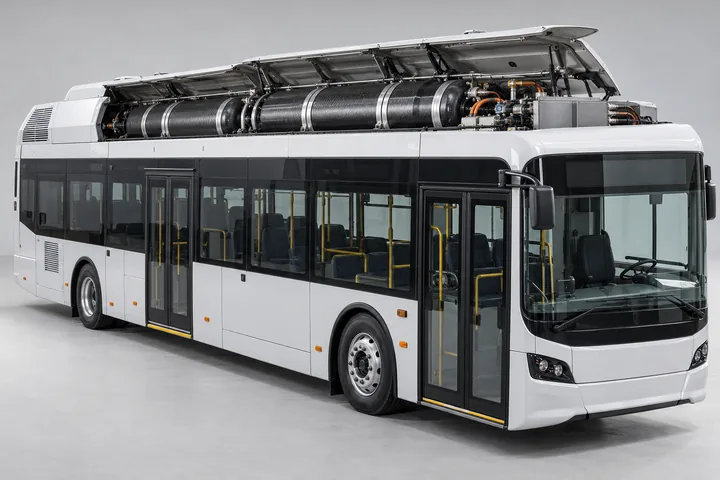
Hydrogen Hybrid City Bus
Series-hybrid city bus with a hydrogen-fueled combustion engine, from powertrain modeling to testing and integration.
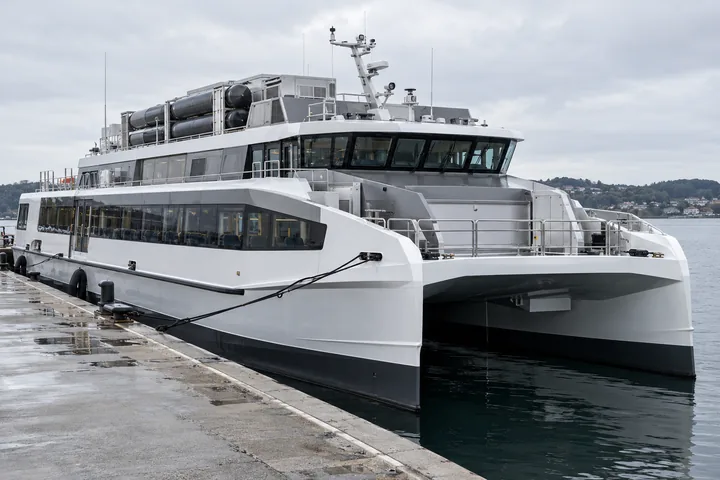
Fuel-Cell Hybrid Catamaran
Feasibility study and integration roadmap for a hydrogen fuel-cell hybrid catamaran, including its energy management strategy.
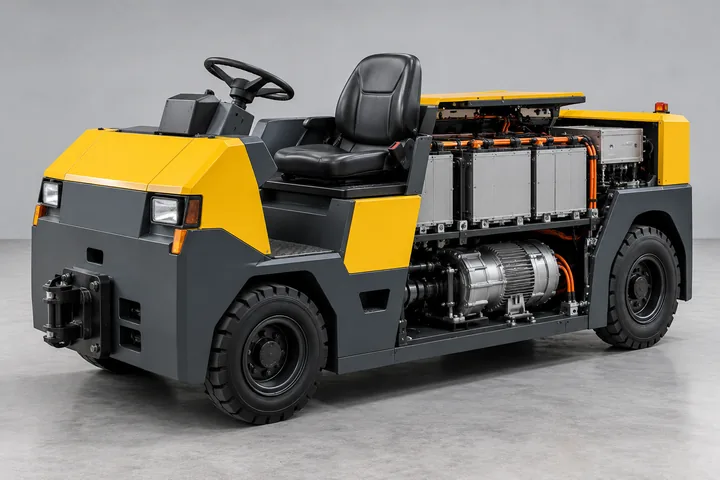
Electric Tow Truck Feasibility
Feasibility study for an electric tow tractor, with vehicle modeling, simulation and battery and drive component sizing.
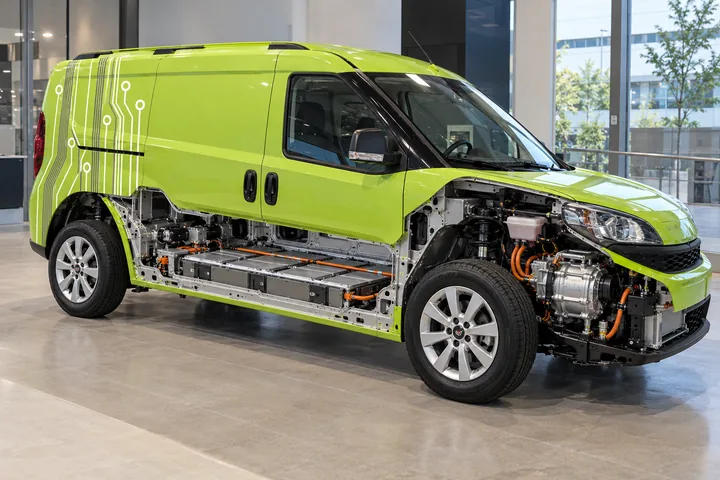
First-Generation Electric LCV Prototype
First-generation fully electric light commercial vehicle prototype, with battery pack integration and vehicle network software.
2013-2015
In this period the electric LCV got locally developed systems. An electric powertrain and inverter ran with motor and vehicle control software on a prototype vehicle. A local on-board charger was validated and integrated into an electric LCV prototype, and a localized EV battery pack covered cell selection, functional design and full-vehicle integration. In the EU FP7 program IMPROVE, a battery electric LCV demonstrator was built with better performance and efficiency. The ITEA 2 program AMALTHEA created an open-source, model-based development platform for automotive multicore control units. The TRaCE fleet took a light commercial BEV from concept to type approval: Türkiye’s first OEM-homologated light commercial BEV.
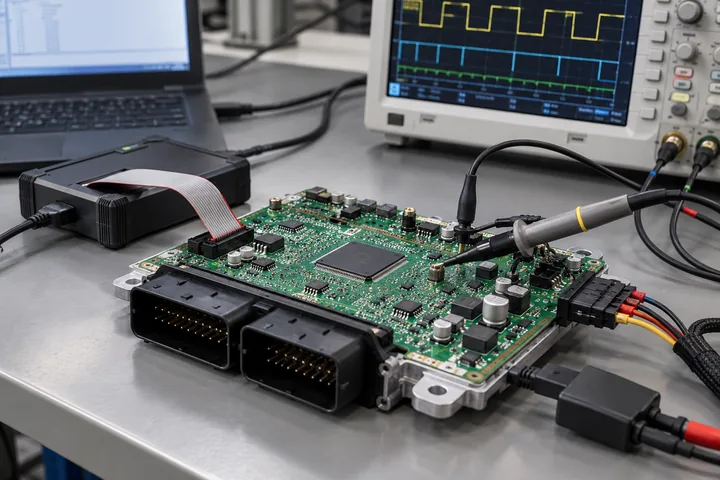
AMALTHEA ITEA 2 Multicore Platform
European ITEA 2 program for an open-source, model-based development platform for automotive multicore control units.
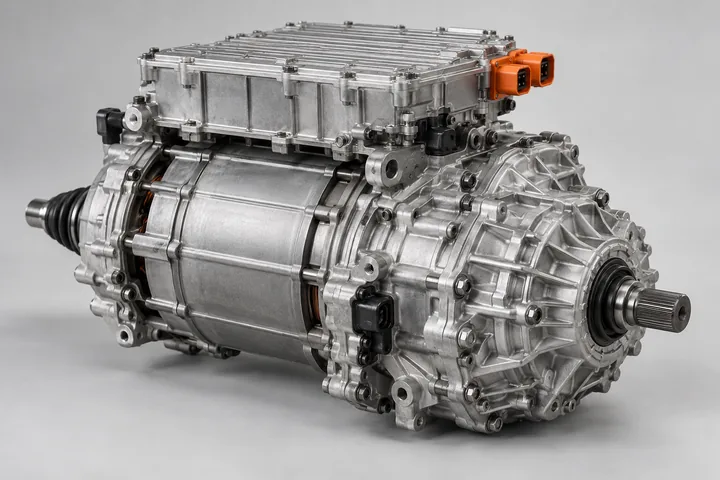
Local Electric Powertrain and Inverter
Locally developed electric drivetrain and inverter platform, with motor and vehicle control software on a prototype vehicle.
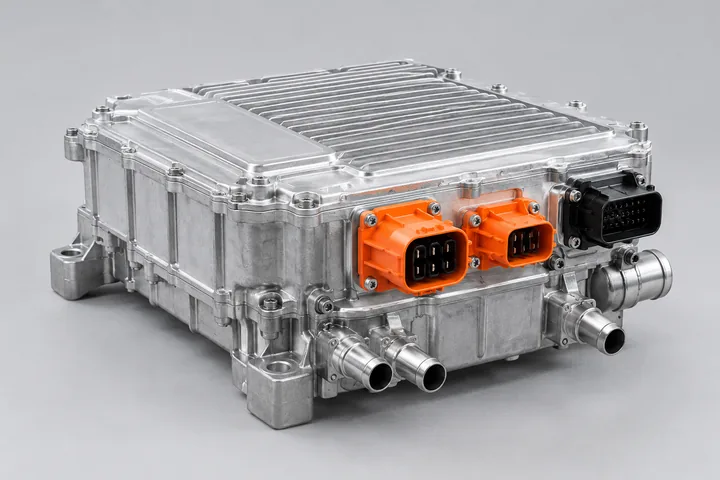
Local On-Board Charger
Locally developed on-board charger, validated and integrated into an electric light commercial vehicle prototype.
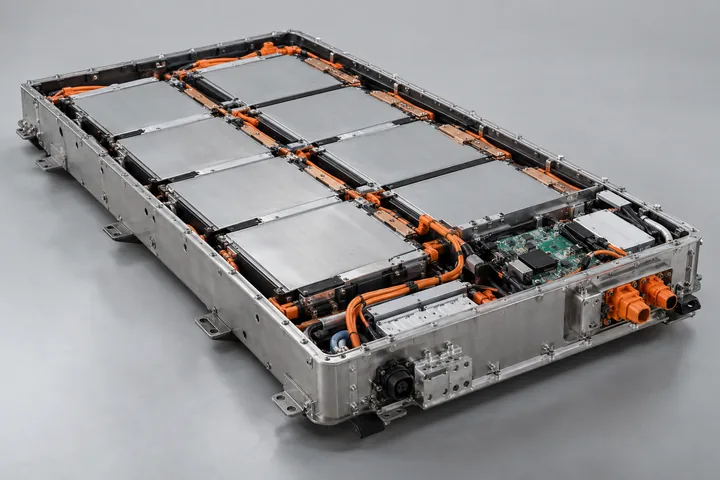
Localized EV Battery Pack
Localized electric vehicle battery pack, covering cell selection, functional design and full-vehicle integration.
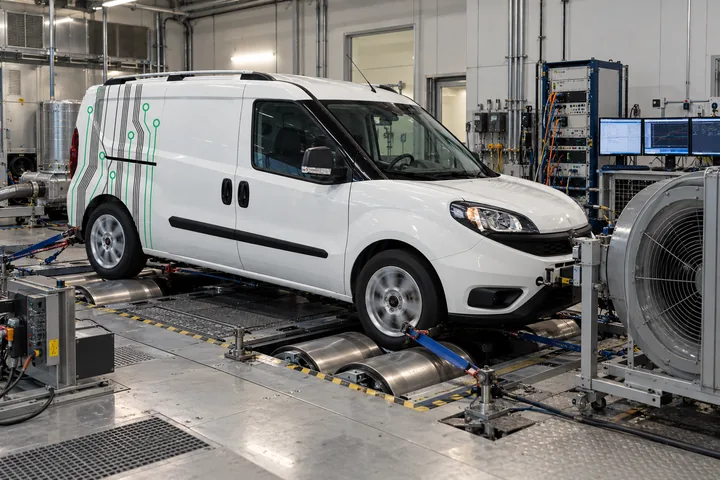
IMPROVE EU FP7 BEV Demonstrator
EU FP7 fully electric light commercial vehicle demonstrator with improved performance and efficiency.
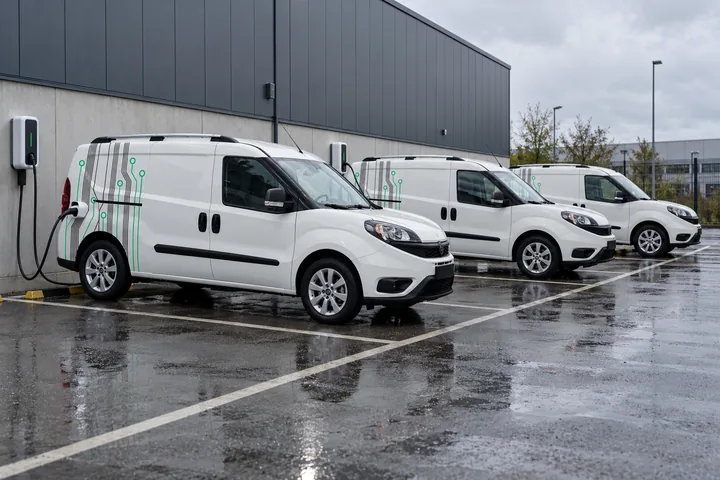
TRaCE Electric LCV Fleet
Türkiye’s first OEM-homologated light commercial BEV, developed as a fleet from concept to type approval.
2016-2020
The focus moved to hybrid architectures, charging and control software. A proof-of-concept range-extended electric LCV brought a new hybrid architecture and range extender control, and a 48 V mild hybrid system for a passenger car went from prototype integration to validation and functional tests. Big data from the TRaCE fleet in customer operation fed EV analytics and software development that improved performance, driveability and range. In Horizon 2020, Sys2Wheel developed an in-wheel drive EV with hub motors, and HiFi-ELEMENTS built high-fidelity EV models with MiL and HiL use cases for model-based development. ASSURED delivered Europe’s first 100 kW wireless charging demonstrator for an electric LCV. TrustVehicle in Horizon 2020 worked on the reliability of conditionally automated vehicles in mixed traffic and harsh weather. An electric vehicle control unit (EVCU, or VCU) and a battery management system (BMS) with scalable application software completed the period.
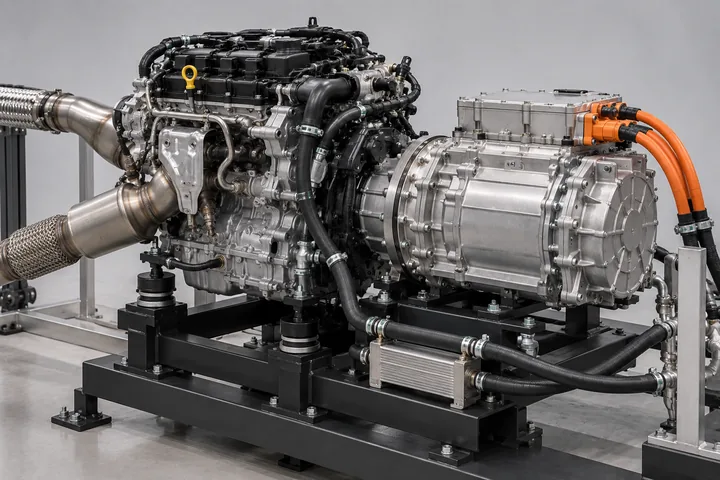
Range-extended electric LCV (REEV)
Proof-of-concept range-extended electric light commercial vehicle, with a new hybrid architecture and range-extender control.
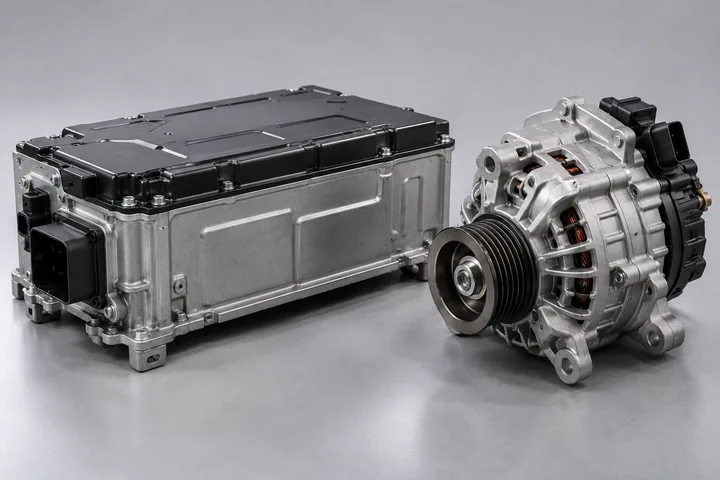
48 V Mild Hybrid Platform
48 V mild hybrid system for a passenger car, from prototype integration to validation and functional tests.
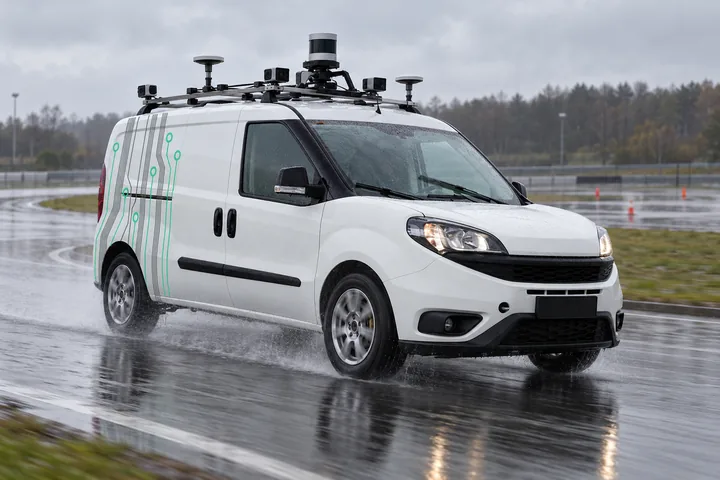
TrustVehicle H2020 automated vehicles
EU Horizon 2020 project on the reliability and trustworthiness of conditionally automated vehicles: critical situations in mixed traffic and harsh weather, fault-tolerant and fail-operational system behaviour, validated on demonstrator vehicles in real-world conditions.
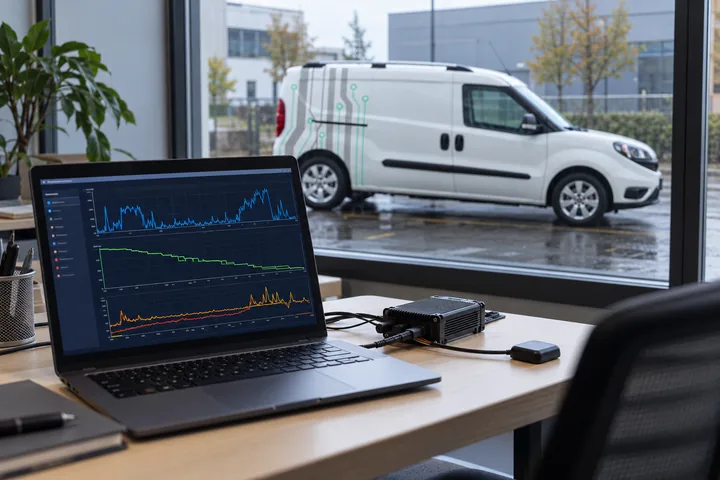
TRaCE Fleet Customer Experience
Second phase of the TRaCE electric LCV fleet: big data collected from vehicles in customer operation, used for EV analytics and advanced software development to improve performance, driveability and range.
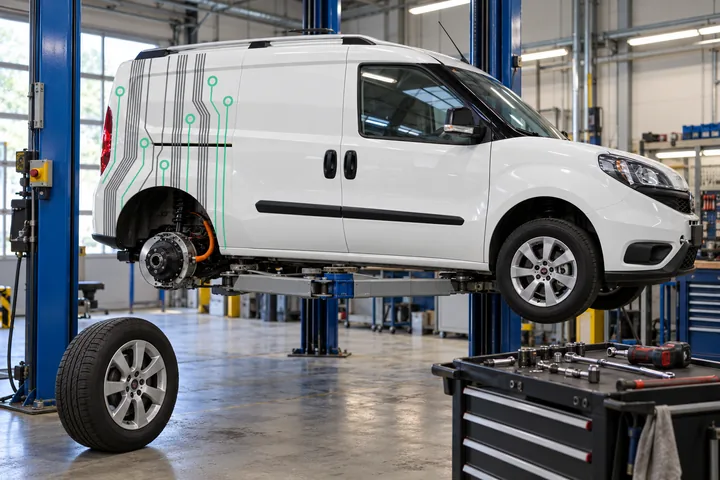
Sys2Wheel: in-wheel drive for electric city logistics vans
EU Horizon 2020 project converting commercial vehicle platforms into battery electric vans for CO2-free city logistics. The work covered integrating in-wheel hub motors with new vehicle control software and prototype tests.
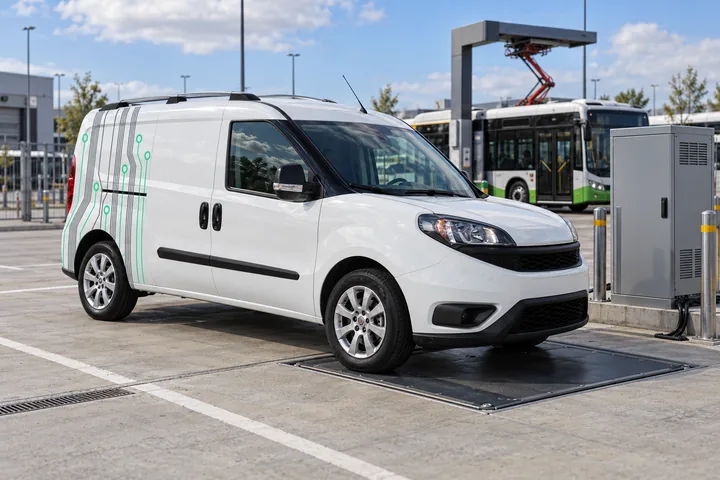
ASSURED: 100 kW wireless fast charging for an electric van
EU Horizon 2020 project on fast and smart charging for urban electric buses, trucks and vans. The work covered Europe’s first 100 kW wireless charging demonstrator, fast-charging an electric light commercial vehicle without cables.
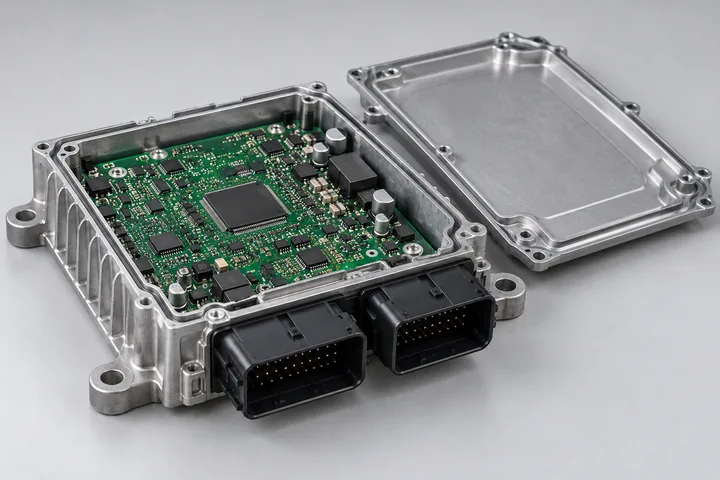
Electric Vehicle Control Unit (EVCU)
Electric vehicle control unit covering functional design, requirements, safety analysis, application software and prototype integration.
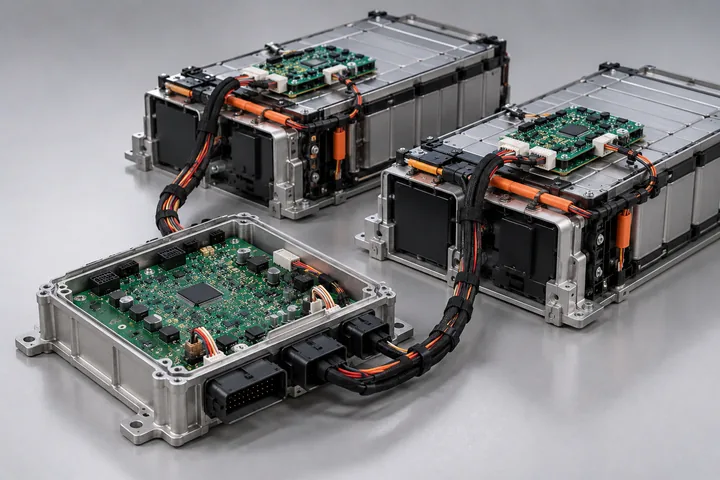
BMS development
Localized battery management system with scalable application software, battery modeling and prototype verification.
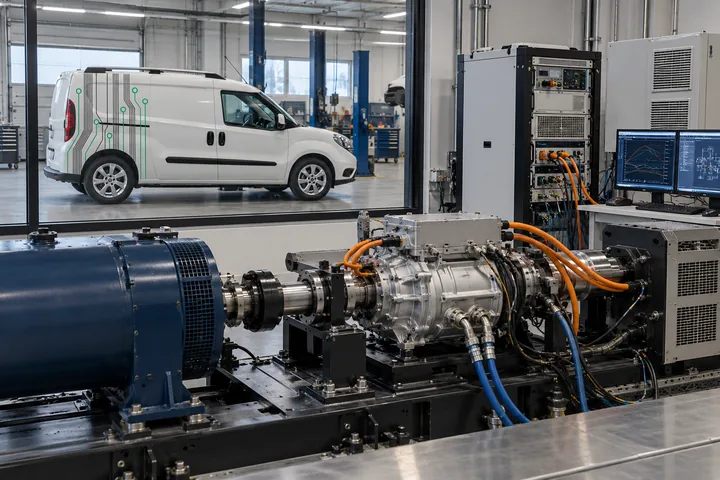
HiFi-ELEMENTS: high-fidelity e-drive modelling and testing
EU Horizon 2020 project for standard model interfaces of e-drive components (e-machine, inverter, battery, DC/DC converter, thermal management) used in MiL and HiL testing. The work covered control unit models and MiL and HiL use cases.
2021-2025
From 2021 the work moved to batteries at scale. In-house battery packs for electric SUVs went into series production, battery integration covered city cars, SUVs, minivans, electric buses and electric motorcycles, and around 30 concept pack designs were made. Electric motorcycle packs in LFP and NMC ranged from 2 to 4 kWh. Battery energy storage systems (BESS) grew from 5 to 20 kWh residential units to indoor and outdoor C&I cabinets, a liquid-cooled cabinet and containers up to 5 MWh. On a pilot line, cell development covered prismatic LFP and LMFP, NMC with high-silicon anodes and sodium-ion, and ultra-fast-charge, semi-solid and solid-state cells were tested with external partners.
Battery programs across 10+ vehicle models: passenger cars, SUVs, MPVs, vans, buses and electric motorcycles.
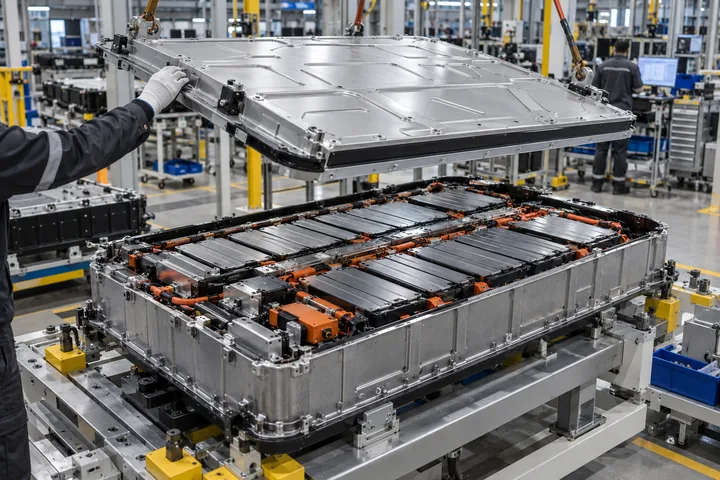
EV Battery Pack Development
In-house battery packs for electric SUVs taken to series production, battery integration across city cars, SUVs, minivans, electric buses and electric motorcycles, and around 30 concept pack designs.
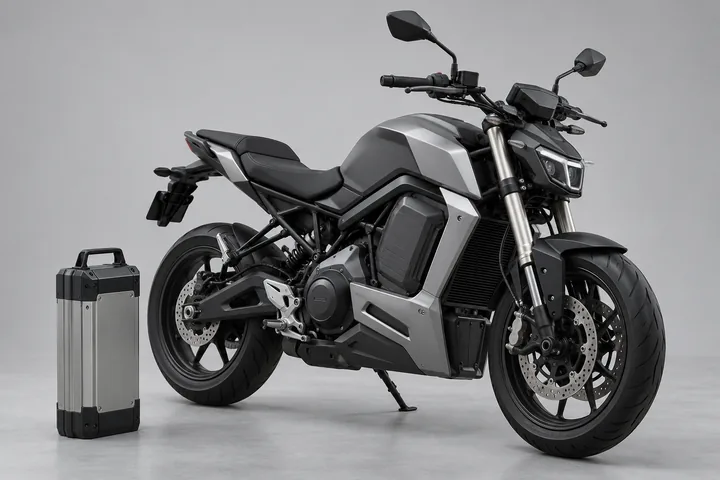
Electric Motorcycle Battery Packs
LFP and NMC electric motorcycle packs from 2 to 4 kWh, including a 3.5 kWh LFP pack used across the motorcycle range and the first pack built for an export customer.
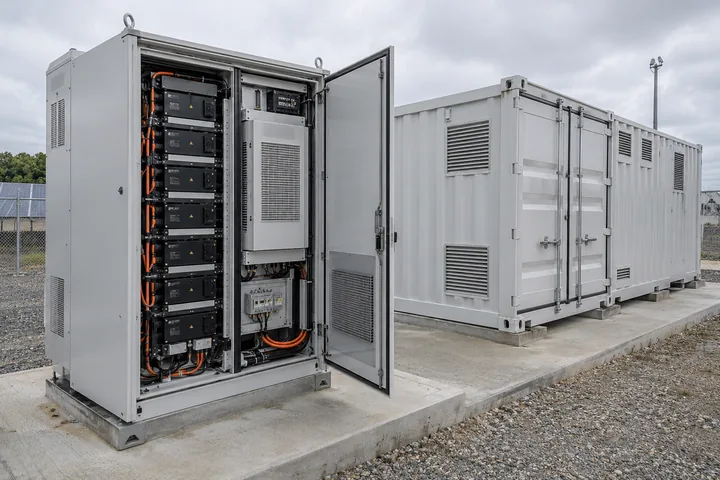
Stationary Energy Storage Systems
Energy storage developed from 5-20 kWh residential systems to indoor and outdoor C&I cabinets, a liquid-cooled cabinet and containers up to 5 MWh.
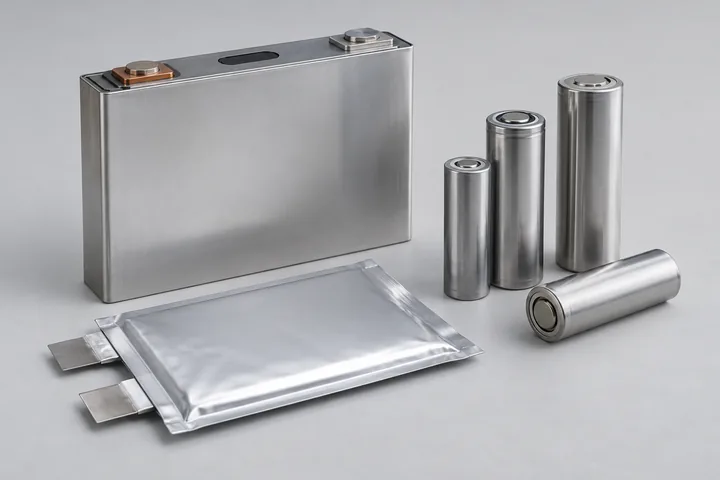
Advanced Battery Cell Development
In-house cell development on a pilot line: prismatic LFP/LMFP, NMC with high-silicon anodes, and sodium-ion.
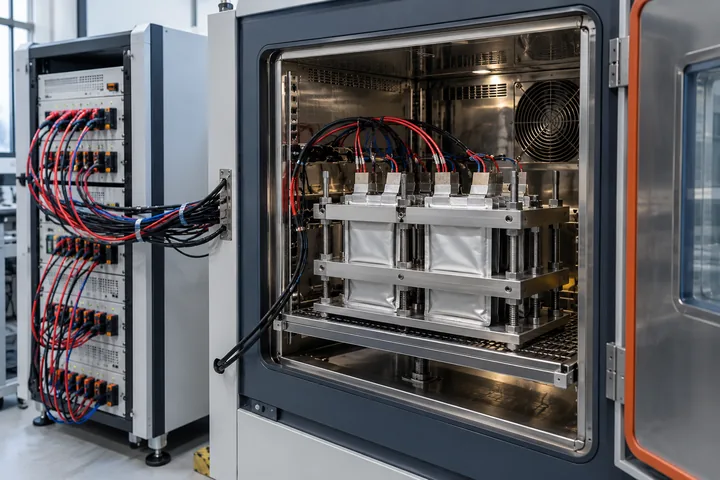
Ultra-fast charge and solid-state cells
Testing and feasibility work with external development partners on ultra-fast-charge, semi-solid and solid-state cells.
Bring this experience to your program.
Tell us about your battery, storage or vehicle challenge.